

Our Programmes
Our Core Programs Driving Sustainable Impact
Each program is designed not as a one-time intervention but as a continuous system of empowerment, education, and engagement. Through these initiatives, individuals are equipped with the knowledge, skills, and opportunities required to improve their livelihoods and contribute meaningfully to society. Our programs reflect a holistic approach to development, combining community empowerment, governance, environmental sustainability, and social advocacy. This integrated structure ensures that impact is not isolated but spreads across different aspects of community life.
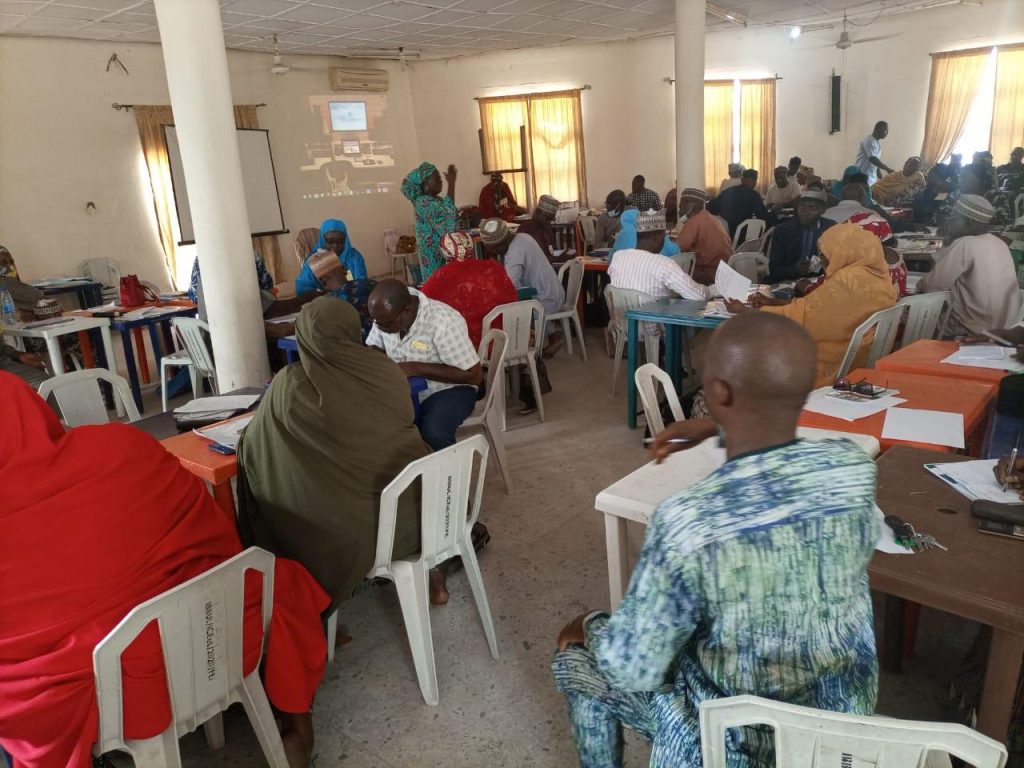
Community Empowerment & Livelihood Development
This program focuses on equipping individuals, especially youths and women, with practical skills that enhance economic independence and self-reliance. Through structured training sessions and workshops, participants gain hands-on experience in vocational and entrepreneurial skills that can be immediately applied in real-life situations.
Beyond training, the program emphasizes continuous support and capacity building. Participants are encouraged to grow, collaborate, and build sustainable income streams, contributing to stronger and more resilient communities.
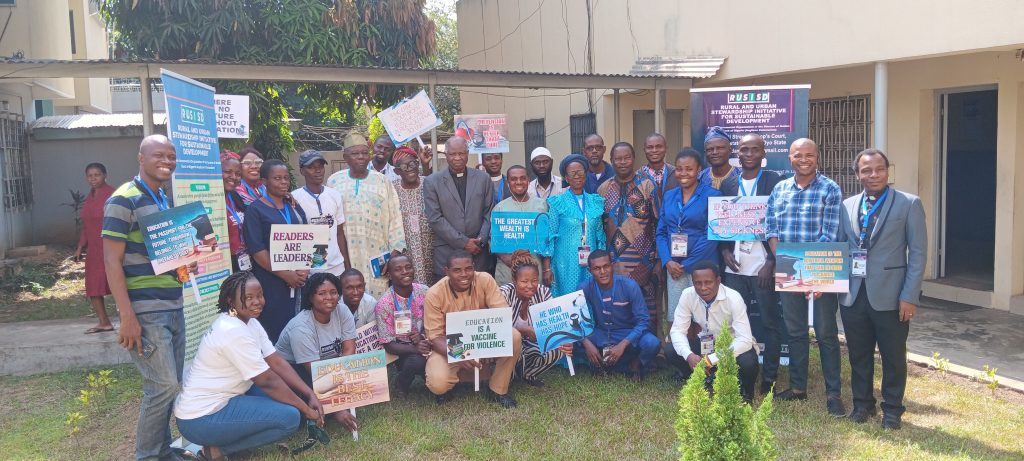
Governance, Advocacy & Social Development
RUSISD promotes transparency, accountability, and active citizen participation through its governance and advocacy programs. These initiatives are designed to educate communities about their rights, responsibilities, and the importance of engaging in democratic processes.
The program includes election monitoring activities, stakeholder engagements, and advocacy campaigns addressing critical social issues such as gender-based violence, human rights, and community development. These efforts help strengthen democratic systems and promote inclusive participation.
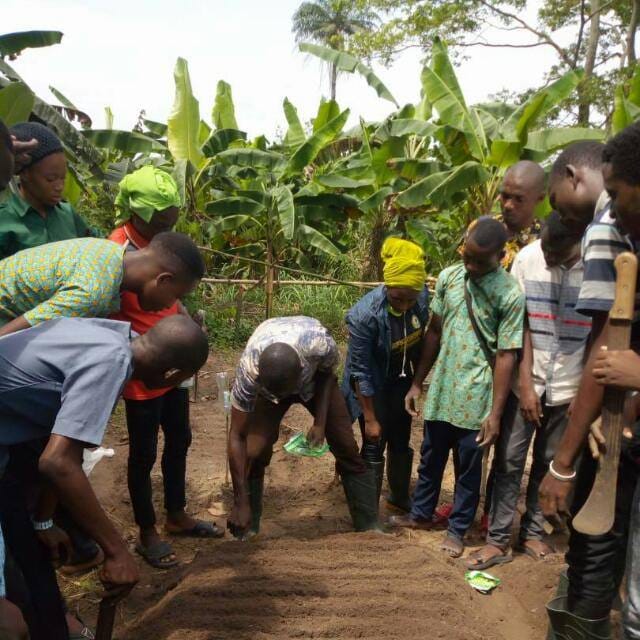
Agriculture, Environment & Sustainability
This program focuses on improving livelihoods through sustainable agricultural practices while promoting environmental responsibility. RUSISD works with farmers and communities to introduce modern techniques that enhance productivity and support food security.
Through collaborations with agricultural institutions, participants receive training that improves their farming methods and resource management. This not only increases output but also strengthens economic stability within communities.